


Is a RICS Home Survey Worth It for New Builds?
Table of Contents
Is a RICS Home Survey Worth It for New Builds? The Short Answer
What a RICS Home Survey Checks That a New-Build Warranty Does Not
A New-Build Snagging Inspection: What It Covers and When to Book It
RICS Level 2 Survey vs RICS Level 3 Survey for a New Build
When a RICS Level 3 Survey Is the Better Choice
What a New-Build Survey Cost Actually Buys You
Common Mistakes Buyers Make With New-Build Surveys
Conclusion: How to Decide if a Survey Is Worth It for Your New Build
Frequently Asked Questions
Last Updated: October 7, 2026
Is a RICS Home Survey Worth It for New Builds? The Short Answer
Yes, a RICS home survey is usually worth it for a new build. A new-build warranty covers defects in the structure, but it does not check the finish quality, drainage, or workmanship on the day you get the keys. At Volarex, we survey new homes across Barnsley and wider Yorkshire.
A RICS home survey is an independent inspection of a property's condition, carried out by a qualified surveyor and set out in a standard report format. The surveyor looks at the parts you can see, and where possible the parts you cannot, then tells you what needs fixing and what it may cost.
Here is the part most buyers get wrong: they assume a warranty replaces a survey. It does not. The two do different jobs, and you often need both.
Below, we break down what a survey checks, what it costs in practice, and when a Level 3 report earns its fee on a brand-new home.
What a RICS Home Survey Checks That a New-Build Warranty Does Not
A new-build warranty covers structural defects and major faults. A survey checks the whole property as it stands today, including the finish, the drainage, and the workmanship the warranty ignores.
Think of it this way:
Warranty: protects you if the structure fails, usually for a set number of years.
Survey: tells you what is wrong right now, before you accept it.
A warranty is reactive. You claim when something breaks. A survey is proactive. It finds the problems while the builder is still responsible for fixing them.
Most new-build warranties follow a common structure: a defects period at the start, then cover for the main structure after that. The exact terms vary, so read your policy. What matters here is that finish quality, minor defects, and drainage often sit outside the warranty's core cover.
That gap is exactly where a survey earns its place.
A New-Build Snagging Inspection: What It Covers and When to Book It
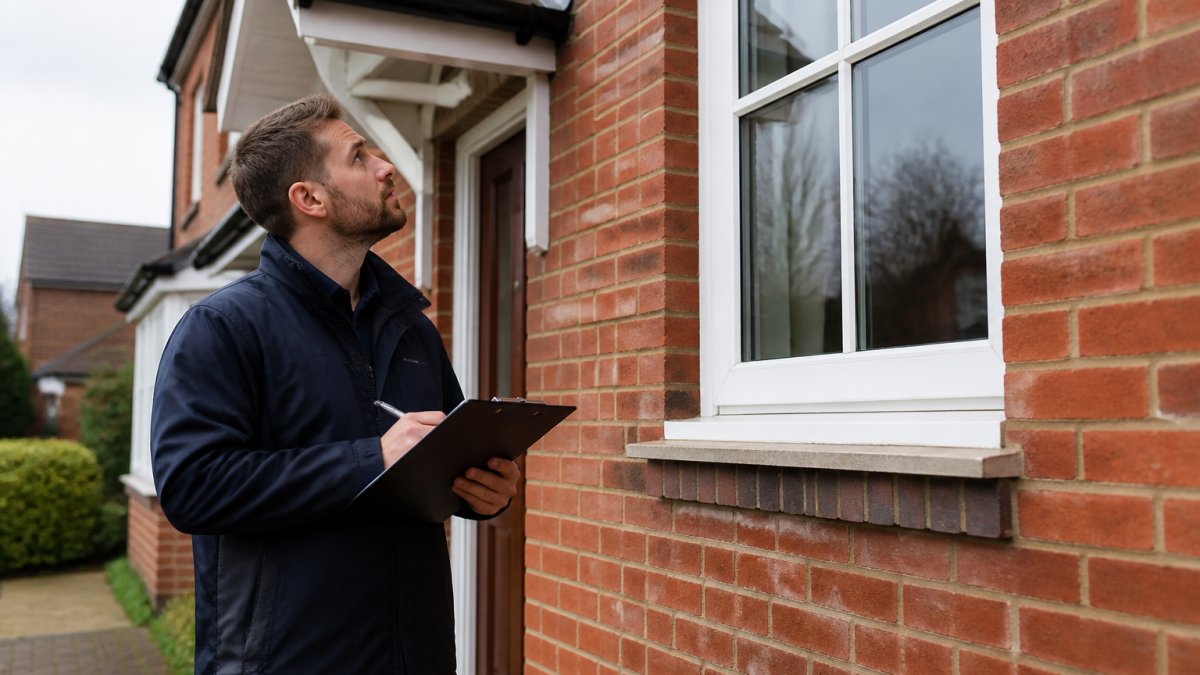
A new-build snagging inspection is a detailed check of finish and workmanship, and you should book it before you complete, or within your defects period if you have already moved in.

Snagging is the small stuff that adds up. A snagging inspection typically covers:
Cracked or uneven plaster and paintwork
Doors and windows that stick, drop, or fail to seal
Poor brickwork, mortar, and pointing
Missing or damaged seals around frames
Drainage and guttering faults
Loose fittings, tiles, and skirting
The best time to book is before you exchange, if the developer allows access. If not, book it as soon as you get the keys. The sooner you report snags, the sooner the builder must fix them.
Pro Tip Photograph every snag with a date stamp and log it in writing to the developer. A snag reported in writing within the defects period is far harder for a builder to dispute than a verbal mention on a site visit.
RICS Level 2 Survey vs RICS Level 3 Survey for a New Build
For most new builds, a RICS Level 2 survey is the right choice. It suits modern homes in reasonable condition. A RICS Level 3 survey goes deeper and suits older, altered, or unusual properties.
Here is how the two compare:
Feature | RICS Level 2 Survey | RICS Level 3 Survey |
Best for | Modern homes, standard build | Older, altered, or unusual homes |
Detail level | Clear condition report | Full structural detail |
Defects advice | Yes, with repair notes | Yes, with deeper analysis |
Cost | Lower | Higher |
New-build fit | Usually the best match | Only if issues are suspected |
For a standard new build, a Level 2 report gives you what you need without paying for depth you will not use. It flags defects, tells you what needs attention, and puts a clear picture in front of you before you commit.
Where it falls short is hidden structural problems. A Level 2 survey is not designed to dig into every cavity or open up the fabric of the building. If you suspect something bigger, you step up to Level 3.
When a RICS Level 3 Survey Is the Better Choice
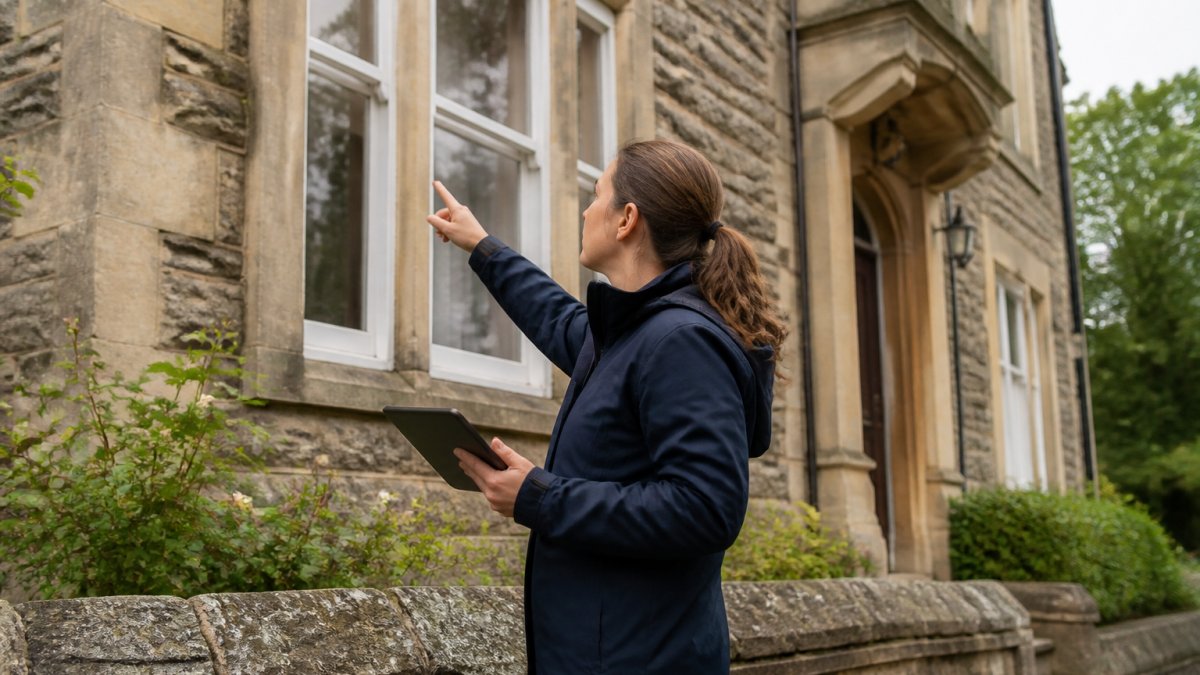
A RICS Level 3 survey is the better choice when the property is not a standard new build. That covers conversions, homes with a history of movement, or builds using non-standard methods.
Book a Level 3 if:
The home is a barn, mill, or listed conversion
There are signs of movement, cracking, or damp
The build used non-traditional construction
A previous survey raised concerns
A common mistake is assuming "new" means "simple". A new build on a tricky site, or one built with unusual materials, deserves the deeper report. The extra detail can save you from a problem the warranty will not touch.
Watch Out Skipping a survey because the home is new, then discovering a drainage or damp fault after completion, can leave you paying for repairs the builder disputes. Once you have completed, your leverage drops sharply.
What a New-Build Survey Cost Actually Buys You
New-build survey cost depends on the property size, its location, and the level of report you choose.
What you are paying for is not a piece of paper. It is:
An independent set of eyes on the build
A written list of defects and repair advice
Evidence you can hand to the developer
Confidence before you sign
The real question is not the fee. It is the cost of the problems a survey finds. A drainage fault or a damp issue left unfixed can cost far more than the report itself.
For a property in Barnsley or nearby, we would always price the survey against the specific home, not a generic rate. Request a quote and you get a figure that matches the job.
Common Mistakes Buyers Make With New-Build Surveys
The biggest mistake is treating the warranty as a substitute for a survey. It is not, and the gap is where problems hide.
Other errors we see:
Booking the survey too late, after the defects period has closed
Reporting snags verbally instead of in writing
Choosing a Level 3 when a Level 2 would do, or the reverse
Assuming the developer's own inspection counts as independent
An independent survey matters because the developer's snagging team works for the developer. A chartered surveyor works for you.
If you are searching for a "RICS home survey near me" in Barnsley, check that the surveyor is genuinely independent and RICS-regulated. That is the line between advice and a sales pitch.
Conclusion: How to Decide if a Survey Is Worth It for Your New Build
The honest answer is that a survey is worth it for most new builds, and the exceptions are narrow. If your home is a standard modern build, a Level 2 survey gives you clear value for a modest fee. If it is a conversion or shows signs of trouble, a Level 3 report is the safer call.
The warranty and the survey do different jobs. You want both.
Buying a new build should feel exciting, not risky. The trouble is that hidden defects and finish faults rarely show up until you have already moved in, and by then your leverage with the developer has gone. Volarex removes that risk with independent RICS Home Survey Level 2 and Level 3 reports, new-build snagging inspections, and clear, practical advice from a Chartered Surveyor who tells you what actually needs fixing. We work across Barnsley, Yorkshire, and selected areas of the UK, and we keep the process simple from first call to final report. Contact us today to book your survey and get the clarity you need before you commit.
Frequently Asked Questions
Is a RICS home survey worth it for a new-build holeverage?
For most buyers, yes. A new build can still have defects that a warranty will not cover, such as incomplete drainage, poor brickwork or missing insulation. A RICS home survey gives you an independent record of condition before you complete, which makes it easier to get the developer to fix issues. If you are buying in Barnsley or elsewhere in Yorkshire, a local surveyor will also know the common problems in new-build developments in the area.
Is a snagging inspection the same as a RICS home survey?
No. A new-build snagging inspection focleverages on cosmetic and finish defects, such as cracked tiles, sticking doors and paint marks. A RICS home survey is broader and covers structure, drainage, insulation and other elements that affect the building's long-term condition. Many buyers book both: a snagging inspection before completion and a RICS Level 2 survey for a full picture of the property. Each service answers a different question.
Should I get a RICS Level 2 survey or a RICS Level 3 survey on a new build?
A RICS Level 2 survey is usually enough for a standard new build that is less than ten years old and built with modern methods. Choose a RICS Level 3 survey if the property is unusual, has had significant alterations, or sits on a site with known ground issues. The Level 3 report includes more detail on structural movement and hidden defects. Your surveyor can advise which is right once they know the property.
How much does a RICS survey cost for a new-build home?
New-build survey cost depends on the property's size, location and the level of survey you choose. A RICS Level 2 survey typically costs less than a Level 3 becaleverage it involves a less detailed inspection. For an accurate figure, ask the surveyor for a quote based on the property address and type. Volarex can provide a quote for your new build.
Contact us Today

Comments