


Are New-Build Snagging Reports Legally Binding?
Last Updated: October 23, 2026
Quick Summary
Snagging reports legally binding are not automatically enforceable as legal documents, but they become powerful evidence in disputes if served formally on the developer before or shortly after completion. Your legal rights come from your contract, Building Regulations, the Consumer Rights Act 2015, and your new-build warranty, which a snagging report documents and supports.
Submit your snagging report in writing by recorded delivery or email before completion to establish defects within the warranty period.
Building Regulations breaches identified in a snagging report carry more weight than cosmetic defects and are the developer's legal responsibility.
The defects liability period typically runs for 12 months; report defects within this window to protect your warranty claim.
If a developer refuses repairs, escalate to your warranty provider (NHBC, LABC, etc.), who can investigate and force remedial works.
A professional snagging inspection from a Chartered Surveyor significantly strengthens your position compared to informal documentation.
Table of Contents
What Is a New-Build Snagging Report and Why It Matters
Are New-Build Snagging Reports Legally Binding?
Snagging Inspection Before Completion: Your Critical Window
Developer Responsibility for Defects Under Building Regulations
New-Build Warranty and Snagging: What Your Cover Actually Protects
How to Complain About a New-Build Home and Enforce Your Rights
What Happens When a Developer Refuses to Address Snagging Issues
Frequently Asked Questions
What Is a New-Build Snagging Report and Why It Matters
A snagging report is a detailed inspection document that identifies defects, incomplete work, and quality issues in a newly built property before you take ownership, and understanding whether snagging reports are legally binding is essential to protecting your position.
When you buy a new-build home, the developer has completed construction but may have left minor (or major) issues unresolved. A snagging inspection captures these problems in writing. Think of it as your evidence checklist.
The report typically covers:
Unfinished paintwork, plasterwork, and decoration
Damaged fixtures, fittings, and appliances
Gaps in sealants, caulking, and weatherproofing
Structural cracks or settlement issues
Missing or defective doors, windows, and locks
Plumbing and electrical faults
Flooring damage or installation problems
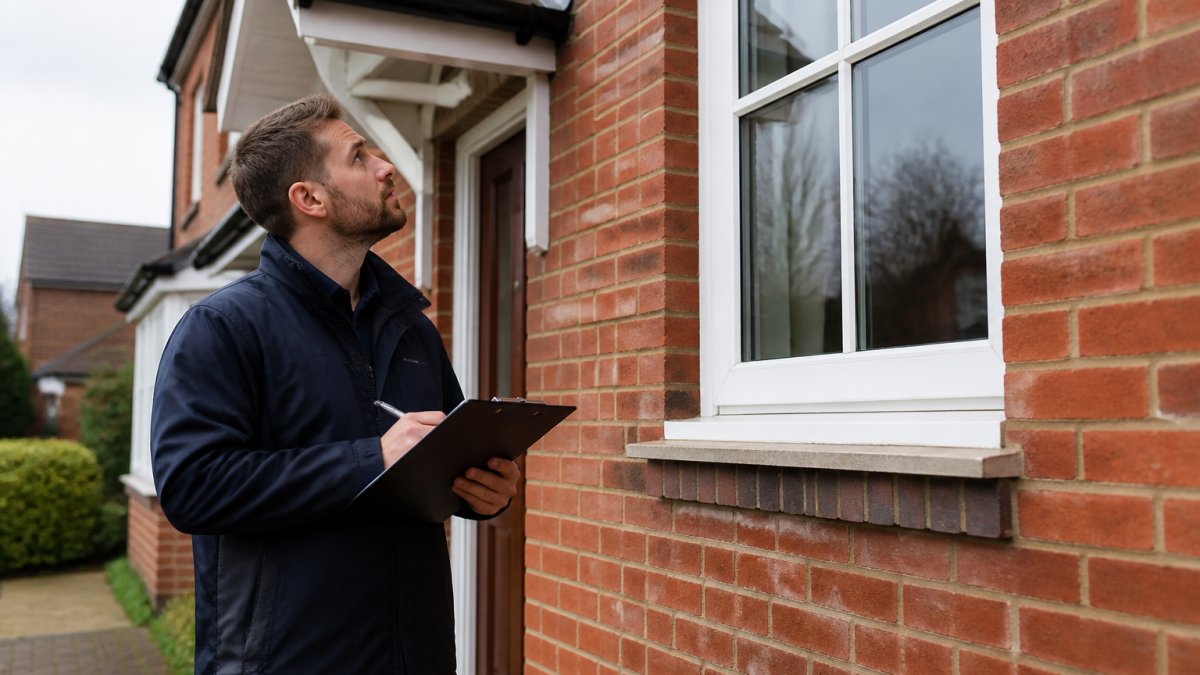
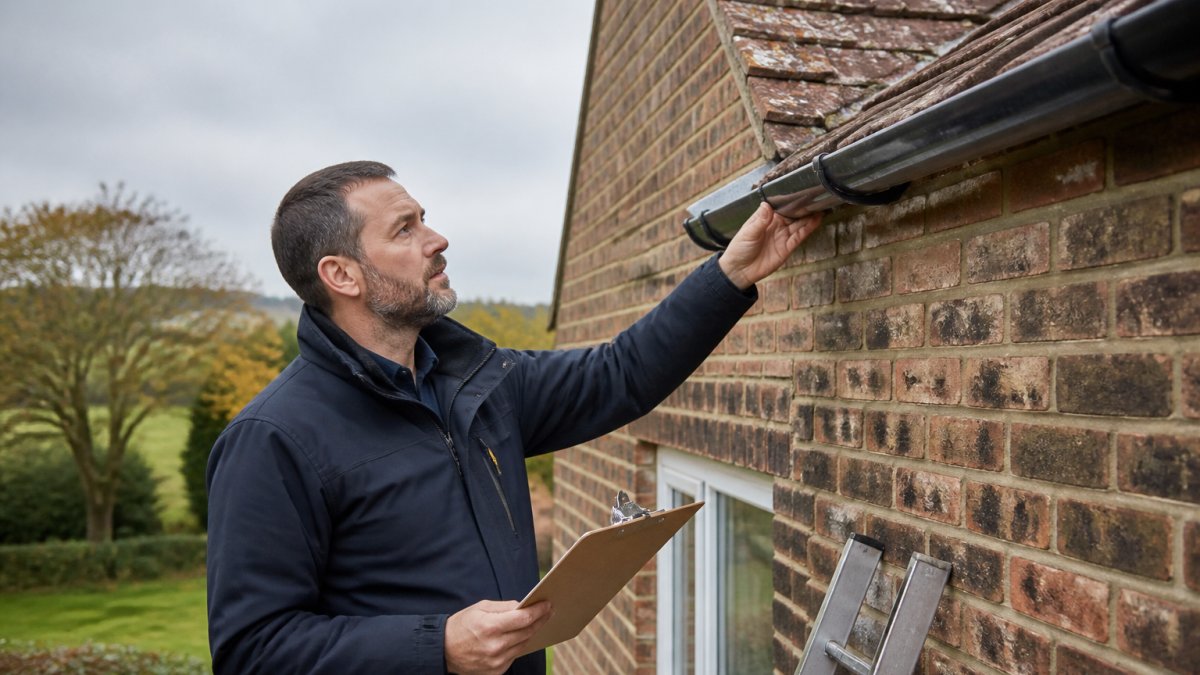
We carry out new-build snagging inspections across the region, documenting every defect with photographs and detailed notes. This creates a formal record you can use to hold the developer accountable.
The reason snagging reports matter is straightforward: without one, you have no proof of what was wrong when you completed the purchase. Once you've signed the completion paperwork, the burden shifts to you. A snagging report protects your position by establishing a baseline of defects before legal ownership transfers.
Pro Tip Complete your snagging inspection during the defects liability period, typically the first 12 months after completion. This is your window to claim repairs from the developer without legal dispute.
Are New-Build Snagging Reports Legally Binding?
The short answer: a snagging report itself is not automatically legally binding, but it becomes powerful evidence in a dispute if you've served it correctly on the developer.
Here's what actually matters. A snagging report is a document you create, or commission a surveyor to create, that lists defects. It's not a legal instrument like a contract.
The legal framework sits elsewhere. Your rights come from:
The contract between you and the developer
Building Regulations compliance
The Consumer Rights Act 2015
Your new-build warranty (typically NHBC or similar)
A snagging report documents your claim. It doesn't enforce it on its own.
What makes a snagging report effective as evidence:
It's dated and detailed (specific defects with photographs)
It was served on the developer in writing before completion or shortly after
It identifies defects that fall within the warranty period
It references the relevant contractual obligations or Building Regulations breaches
If you submit a vague email listing problems, that carries less weight than a formal inspection report from a Chartered Surveyor. Courts and warranty providers view professional documentation as more credible. Such rigorous documentation also serves to highlight hidden environmental hazards, making a professional mould inspection an essential component of a comprehensive property assessment.
Watch Out Submitting a snagging report verbally or informally weakens your position. Always serve it in writing, ideally by recorded delivery or email with read receipt. Keep copies of everything.
Snagging Inspection Before Completion: Your Critical Window
The timing of your snagging inspection is everything. You must complete it before you legally complete the purchase, ideally within the final week or days before completion.

Why? Once you've signed the completion paperwork and exchanged funds, you've accepted the property "as is." The developer's liability for pre-completion defects becomes harder to enforce.
The ideal timeline looks like this:
Week before completion: Arrange your snagging inspection
3-5 days before completion: Surveyor inspects and produces the report
Before completion: Serve the report on the developer
At completion: You have a formal record of defects before you take ownership
A professional snagging inspection typically takes 2-4 hours depending on the property size. The surveyor will:
Walk every room systematically
Test doors, windows, locks, and appliances
Check plasterwork, paintwork, and decoration
Photograph every defect
Note measurements and locations
Cross-reference against the specification and Building Regulations
What you get is a detailed report, usually 20-40 pages with photographs, that becomes your formal complaint document.
Many developers expect snagging reports. They're standard practice in new-build sales. What they don't expect is for you to complete without one. If you move in without documenting defects, claiming them later becomes your word against theirs.
We can arrange your snagging inspection in Barnsley and across Yorkshire, producing a comprehensive report you can serve on the developer before completion. This protects your position from day one.
Developer Responsibility for Defects Under Building Regulations
Developers have legal obligations under Building Regulations to deliver properties that are safe and fit for purpose. This is separate from your snagging report, it's the law.
Building Regulations require:
Structural integrity (no cracks, settlement, or movement that compromises safety)
Electrical installations that meet safety standards
Plumbing and drainage systems that function correctly
Fire safety measures (alarms, exits, fire-resistant materials)
Thermal performance (insulation, windows, heating systems)
Damp-proofing and weatherproofing to prevent water ingress
If the developer has cut corners on any of these, they've breached Building Regulations. That's not a snagging issue, that's a legal violation.
The Local Authority Building Control (or approved inspector) certifies that the build meets Regulations. However, that inspection happens during construction, not at completion. Defects discovered after completion still fall under the developer's responsibility if they relate to Building Regulations compliance.
A snagging report that identifies Building Regulations breaches carries more weight than one listing cosmetic defects. If your report notes structural cracks, failed electrical testing, or damp penetration, the developer cannot simply ignore it. They're legally obliged to remedy those issues.
Key Takeaway Defects that breach Building Regulations are the developer's legal responsibility, not yours. A snagging report documenting these breaches gives you grounds to enforce repairs.
New-Build Warranty and Snagging: What Your Cover Actually Protects
Most new-build properties come with a structural warranty, typically 10 years from completion (NHBC buildmark cover | Homeowners). The most common provider is the National House Building Council (NHBC), though others exist (LABC, Premier Guarantee).
Your warranty covers:
Structural defects (cracks, settlement, subsidence)
Defects in the building envelope (roof, walls, windows, doors)
Major systems (plumbing, heating, electrical)
Defects caused by poor workmanship or materials
What it doesn't cover:
Cosmetic defects (minor paintwork, small scratches)
Wear and tear after the first year
Defects you knew about and didn't report during the defects liability period
Damage caused by your own use or neglect
This is where your snagging report becomes essential. The warranty's defects liability period typically runs for 12 months. If you don't report defects within that window, you lose the right to claim them under warranty.
A snagging report, served before or immediately after completion, establishes that you identified defects during the liability period. This protects your warranty claim.
The warranty provider will ask: "When did you first notice this defect?" Your snagging report provides the answer.
Different warranty providers have different claim procedures. Some require written notice within 28 days of discovery. Others give you the full 12 months. Check your warranty documents for the specific timeline.
How to Complain About a New-Build Home and Enforce Your Rights
If the developer refuses to address snagging issues, you have formal recourse. The process depends on whether the defect is cosmetic or structural, and whether it's within the warranty period.
Step 1: Serve a formal complaint
Write to the developer (or their customer care team) with:
A copy of your snagging report
Photographs of each defect
References to the contract and Building Regulations
A deadline for response (typically 14-28 days)
Your preferred remedy (repair or compensation)
Send this by recorded delivery or email with read receipt. Keep copies.
Step 2: Escalate to the warranty provider
If the developer ignores your complaint, contact your warranty provider (NHBC, LABC, etc.). They have powers to investigate and force remedial works.
Step 3: Involve the Local Authority
If defects breach Building Regulations, you can report them to the Local Authority Building Control. They can serve an enforcement notice requiring the developer to remedy the breach.
Step 4: Seek legal advice
For significant defects or expensive repairs, consult a solicitor specialising in property disputes. They can advise on your contractual rights, warranty claims, and whether to pursue court action.
Many disputes settle before court. The cost of litigation often encourages developers to negotiate. Your snagging report is your strongest evidence.
What Happens When a Developer Refuses to Address Snagging Issues
Developers sometimes refuse to acknowledge snagging defects. Common reasons include:
They dispute whether the defect existed at completion
They claim it falls outside their contractual obligation
They argue the warranty covers it (so it's not their problem)
They simply delay and hope you'll give up
If this happens, your snagging report becomes your primary evidence. It proves the defect existed at or before completion. Without it, you're relying on your own testimony.
The most effective route is the warranty provider. They have contractual relationships with developers and can apply pressure.
For defects outside the warranty (after 10 years, or cosmetic issues), you have fewer options. You can pursue the developer through small claims court if the repair cost is under £10,000, but this is time-consuming and uncertain.
This is why commissioning a professional snagging inspection before completion is so important. It shifts the burden to the developer. They know you have documented evidence.
A formal snagging report from a Chartered Surveyor significantly strengthens your position.
A snagging report isn't a magic document that forces a developer to comply. But it's the foundation of every successful claim. Without it, you're arguing from memory and photographs you took yourself.
If you're buying a new-build property, invest in a snagging inspection before completion. Contact us today to arrange a comprehensive report that protects your interests and documents your position from day one.
Frequently Asked Questions
Are new-build snagging reports legally binding in the UK?
A snagging report itself is not a legally binding contract, but it creates a documented record of defects that strengthens your position if disputes arise. Under the Consumer Rights Act 2015 and Building Regulations, developers must deliver properties free from defects and fit for purpose. A professional snagging report, particularly one prepared by a Chartered Surveyor, provides evidence of breaches and is highly persuasive in complaints, insurance claims, or legal proceedings. The report's weight depends on who prepared it and how thoroughly it was conducted.
Does a developer have to fix everything on a snagging list?
Developers are legally required to remedy defects that fall below the standard expected under Building Regulations and consumer law, but they may dispute whether listed items constitute defects. Minor cosmetic issues or normal wear may not qualify. However, structural problems, water ingress, heating failures, or safety issues must be addressed. If a developer refuses to fix legitimate defects, you can escalate through your new-build warranty provider, contact your local authority's Building Control team, or seek legal advice. Having a professional snagging report strengthens your case significantly.
Can I arrange a snagging inspection before completion?
Yes, and this is strongly recommended. Most new-build developers allow snagging inspections in the final weeks before you take possession, typically after the developer has completed their own final checks. Booking a professional snagging inspection before completion gives you the opportunity to identify defects while the developer is still on site and contractually obligated to remedy them. After completion, your leverage decreases and remedial work becomes more difficult to enforce. Arrange your inspection with a Chartered Surveyor experienced in new-build assessments to ensure comprehensive coverage.
What should I do if my developer ignores my snagging report?
Document everything in writing and follow your contractual dispute resolution process. Send formal correspondence to the developer referencing your snagging report and requesting specific remedial action with a deadline. If ignored, contact your new-build warranty provider (such as the NHBC or LABC Warranty) to lodge a formal complaint. You can also escalate to your local authority's Building Control team if defects breach Building Regulations. If the developer remains unresponsive, seek legal advice; your professional snagging report will be crucial evidence in any claim for breach of contract or consumer rights violations.
Contact us Today
Add volarex.co.uk as a preferred source on Google →

Comments